

Video Lectures
Each course contains professional recorded video lectures by the faculty

Digital Study Materials
PPTs and Online Reading Material is provided for each of the units of the course

Webinars
Interactive webinars with the faculty will be conducted.
(for select courses only)

Quizzes
Quizzes for each of the courses will be through the online learning platform itself.
Faculty

Mr Julius Sathiaseelan
Mr Julius Sathiaseelan
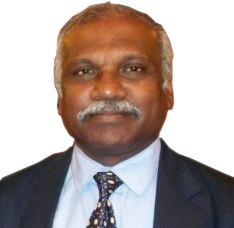
Mr J S Anbu
Course Objectives:
- To impart Biblical Perspective of Management
- To analyse the role, purpose and importance of Christian organisation in the kingdom of God
- To enhance the leadership skills for effective management
Unit 1 – Introduction to Organisational Managemen
- Christian Organization and the Kingdom of God
- Purpose and Importance of Christian Organizations
- Vision, Mission and Core Values
Unit 2 – Managing Organisatiosn Effectively
- The Christian Perspective
- Concept of Management
- Management Thinkers and Biblical Principles
- Managerial Skills
- Principles of Christian Management
- Fayol’s Principles of Management
Unit 3 – Functions of Management
- Planning
- Decision Making & Discernment
- Organizing
- Staffing
- Coordination & Control
Unit 4 – Biblical Leadership
- Biblical Images of Leadership
- Team Leadership
- Attitude
- Submission to Authority
Faculty

Mr Wilfred Davidar
Mr Wilfred Davidar
Course Objectives:
- To elucidate the different aspects of the Strategic Management
- To develop capabilities to analyse changing situations and develop solutions
- To learn effective execution of strategies
Unit 1 – Environment Scanning
- Introduction to Strategic Management
- Meaning of Environment Scanning
- SWOT Analysis
- Emerging Ministry Context
Unit 2 – Developing Strategies
- Meaning of Strategy
- Types of Strategies
- Strategy Formulation
Unit 3 – Managing Execution
- Strategy Execution
- Challenges in Execution
- Developing Execution for Results
- Building Blocks of Execution
- Core Processes of Execution
- Lemon Leadership for Effective Execution
Unit 4 – Managing Change
- Introduction
- Managing Resistance to Change
- Leading Major Change
- Creativity & Innovation
Faculty
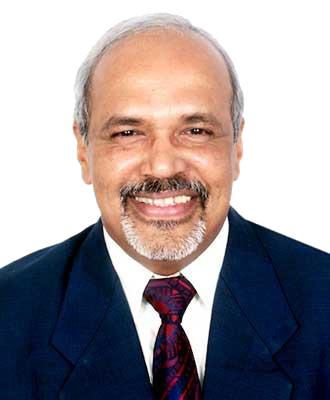
CA Abraham Zachariah
CA Abraham Zachariah
Course Objectives:
- To develop Biblical understanding relating to management of financial resources
- To equip to handle financial resources effectively
- To enable development of right financial systems for ministries
Unit 1 – Introduction to Financial Management
- Stewardship & Accountability
- Financial Management
- Cash Management
- Banking Operations
Unit 2 – Budgetary Control
- What is Budget
- Budgetary Control
- Types of Budget
- Performance Budgeting in Non – Profit Organisations
Unit 3 – Internal Checks, Control & Auditing
- Internal Control & Procedures
- Areas of Internal Control
- Meaning of Audit
- Types of Auditing
- Preparation for the Audit
- Audit Report & Follow up
- Non- Financial Audit – Impact Assessment
Unit 4 – Financial MIS & Organisational Performance Analysis
- Financial Information System
- Analysis of Organisational Performances based on Financial Information
- Ratio Analysis
- Reporting
Faculty
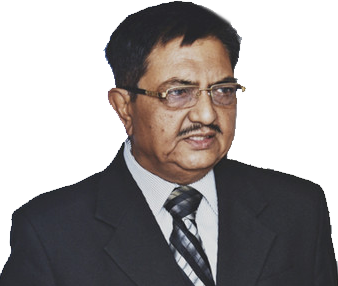
Mr Joy Christian
Mr Joy Christian
Course Objectives:
- To understand the concepts of Human Resource Management
- To make use of the potential of Human Resources more effectively
- To ensure the balanced use of Human Resources to fulfill the individual, organizational and societal objectives
Unit 1 – Introduction to Human Resource Management
- Biblical Perspective of Human Resource Management
- Evolution of HR
- Unique values of HR
- What is HRM?
- Managerial and Operative Functions of HRM
- Digitalized HR
Unit 2 – HRM Process
- Human Resource Planning
- Job Description and Specification
- Recruitment and Selection
- Orientation and Induction
- Transfer, Job Enrichment, Job Rotation, Promotion
Unit 3 – Training & Development
- Biblical Perspective of Training
- Exploring the training needs
- Various training and development interventions
- Training the Trainers
- Evaluation Mechanism
Unit 4 – Compensation and Performance Evaluation
- Biblical Perspective of Compensation and Performance Evaluation
- Job Evaluation Methods
- Performance Appraisal Methods
- 360 degree Method
- Evaluation Mechanism for the Missionary Workers
- Salary – Meaning, Types and basis
Faculty

Mr Lawerence Mangalrajan
Mr Lawerence Mangalrajan
Course Objectives:
- To understand the basic concepts of Project Management
- To gain working knowledge and application of the various tools used in Project Management
- To be able to take up live case, develop a project plan, execute the plan, and evaluate it.
Unit 1 – Introduction to Project Management
- What is a project?
- Characteristics of Project
- What is Project Management?
- Approaches to Project Management.
- Project Life Cycle.
- Biblical Perspective of Project Management
Unit 2 – Project Assessment & Design
- Identifying Opportunities and Need
- Assessment & Defining the scope of a Project
- Metrics – Indicators and Standards
- Resource planning
- Risks & Assumptions
- Log Frame
- Project Proposal
Unit 3 – Implementation & Monitoring
- Implementation
- Monitoring
Unit 4 – Evaluation, Reflection & Transition
- Introduction to Evaluation
- Different Methods of Evaluation
- What makes a good evaluation
- Approaches to Evaluation
- Project Review
- Reflection & Transition
- Creating a Culture of Learning
Faculty

Mr Shekhar Shukla
Mr Shekhar Shukla
Course Objectives:
- To understand the complexity of communication
- To know the foundational importance of character
- To enhance the ability to make effective presentations
- To harness media in communication for global impact
Unit 1 – Complexity of Communication
- Introduction
- Verbal & Non-verbal
- Written
- Listening skills
- Obstacles
Unit 2 – Foundational Importance of Character
- Foundational habits of effective communicators
- Body-language
- Walk-the-Talk
- Preparation & Practice
- KISS principle
- Tone
Unit 3 – Effective Presentation Skills
- Purpose centric
- First impression
- Story telling
- Sense of humour
- Communicating for impact
- Holding attention of the audience
- Flexibility
- Concluding effectively
Unit 4 – Harnessing media for communication
- Enormity of media for impact
- Visuals
- Language of the millennials
- Speed of change
Faculty
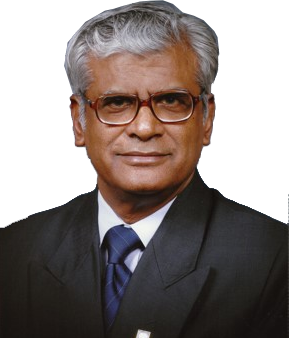
Mr PKD Lee
Mr PKD Lee
Course Objectives:
- To develop skills in different aspects of Fund Raising
- To be able to design a Fund Raising strategy for an organization
- To have a h5 Biblical Basis in Fund Raising and Accountability
Unit 1 – Biblical Foundations for Fund Raising
- Is fund raising Biblical
- Why should we raise funds in India
- Understanding Biblical Stewardship
Unit 2 – Strategies in Fund Raising
- Fund raising as confidence building
- Three fold approach to fund raising
- The emotive (heart centered) approach
- The head centered approach
- The charismatic approach
Unit 3 – Communicating with the donor
- Levels of communication
- Sharing the vision effectively
- Developing charisma through communication
- Sharing to the heart
- Designing the mailings
- Making the pitch
Unit 4 – Ethics and Accountability
- Ethics in fund raising
- Ethical communication
- Accountability systems
- Designing Boards
Faculty

Mr Jaywant Michael
Mr Jaywant Michael
Course Objectives:
- To study the behaviors of individuals and groups working in organizations
- To apply the learning to improve an organization’s effectiveness.
Unit 1 – Organisation Behaviour & The Individual
- Organizational Behavior Overview and Biblical Perspectives
- Organizational Structure and Organizational Behavior models
- The Individual and Organizational Behavior
- Personality
- Self concept
- Perception
Unit 2 – Leading & Group Behaviour in Organisations
- Leadership Models
- Motivation
- Leadership competencies for organizational effectiveness
- Group Dynamics
- Decision Making
Unit 3 – Organizational Culture and Conflict Management
- Organizational Culture
- Conflict Management
Unit 4 – Orgaonisation Development (OD) and OD Interventions
- Stimulating innovation and change
- Organizational Development
- OD Interventions
- Stress Management
Faculty

Dr (CA) Sanjay Patra
Dr (CA) Sanjay Patra
Course Objectives:
- To develop an understanding on the concept of Governance with special reference to NPOs
- To discuss the various roles and functions of Governance
- To facilitate an “improvement process” for Governance in the NPOs
Unit 1 – An Introduction to Governance
- Meaning of Governance
- Definitions
- Corporate Governance
- Non Profit Governance
- Biblical perspective on Governance
Unit 2 – Roles & Functions of Governance
- Vision Development and Strategic Planning
- Accompaniment to the Management
- Policy Making and Monitoring
- Responding to Accountability dimensions
- Best Practices
Unit 3 – Financial Governance for NPOs
- Importance of financial management for Governance
- Components of financial management system
- Setting up high quality financial management system
- Governance structures for good financial management
- Ensuring proper legal compliance
Unit 4 – An Improvement Process for Governance
- Studying the status of Governance
- Self appraisal of Governance performance
- Board Orientation and Board Retreats
- Identifying areas for enhancing the effectiveness
- A Governance improvement plan and follow up
Faculty

Dr Gary Hoag
Dr Gary Hoag
Course Objectives:
- Suggest practical ways to help those you serve become good and faithful managers for God.
- Explain four biblically-informed contrasting principles linked to resource management; teamwork, collaboration, and succession; governance and accountability; and legal compliance.
- Summarize the kingdom path in contrast to the common path as God’s design for management to contribute to organizational and community flourishing.
Unit 1 – Theological Reflections: Four Models of Management
- God’s Design in Genesis – Model: Stewards of God
- God’s People in the Old Testament – Model: People of God
- God’s Son in the Gospels – Model: Son of God
- God’s Church in the New Testament – Model: Church of God
Unit 2 – Biblical Examples: Four Aspects of Management
- Resource Mobilization – Moses, David, James, and Paul
- Teamwork and Succession – Moses and Joshua, Elijah and Elisha, Jesus with the Disciples, and Paul and Timothy
- Governance and Accountability – Council of Moses, Jewish Council of the First Century, Council of Ephesus, Council of Jerusalem
- Structures and Systems for Scaling – Levites and Priests, Apostles and Prophets, Elders and Deacons, and Pastors and Teachers
Unit 3 – Practical Principles: 16 Principles for Managers
- Resource Management – Accounting, Allocation, Generosity, Service
- Teamwork and Succession – Delegation, Empowerment, Relationships, Honor
- Governance and Accountability –Character, Standing, Faithfulness, Peers
- Legal Compliance – Submission, Respect, Humble, Policy
Unit 4 – Personal Applications: 16 Characteristics of Managers
- Relationship to God – Steward, Prayer, Vision, Faith
- Relationship to Ourselves – Self-controlled, Honest, Humble, Teachable
- Relationship to Others – Serve, Listen, Delegate, Report
- Relationship to Creation – Work, Common Good, Sustainability, Legacy